The Silent Architects of the Ocean’s Future

10.12.2025

Mercedes Martín

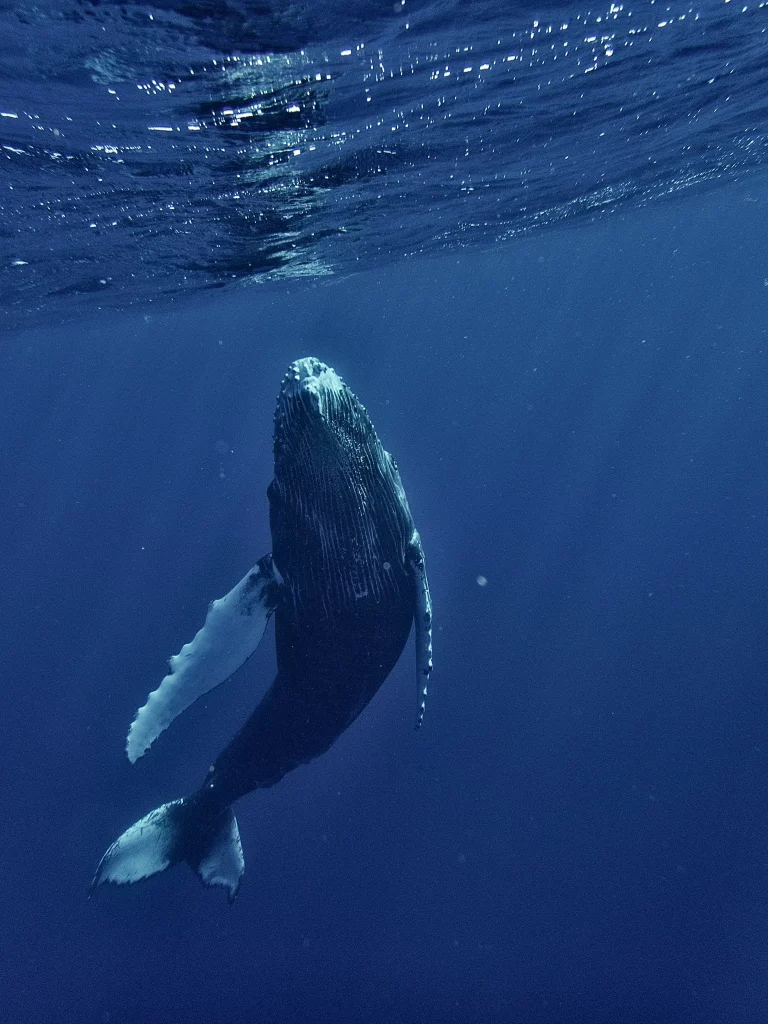
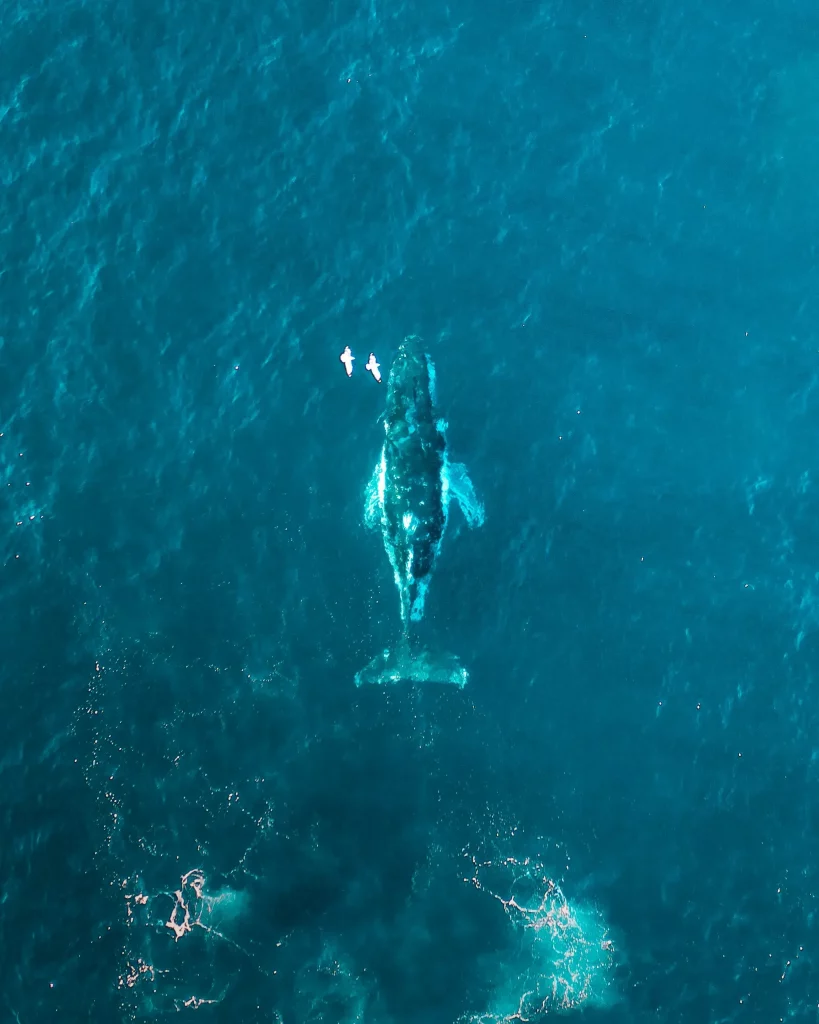
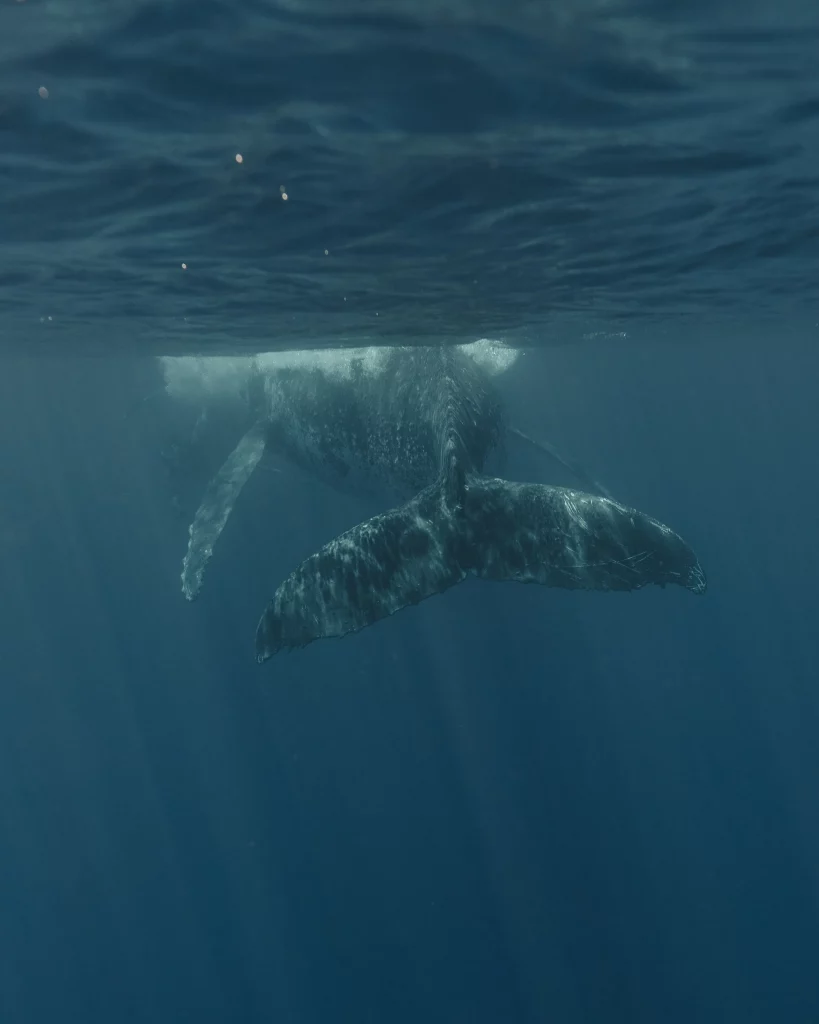
For centuries, whales have been perceived as majestic giants—symbols of wilderness, migration, and the vastness of the open sea. Yet only in the last few decades has science revealed their deeper ecological significance. Whales are not merely inhabitants of the ocean; they are silent architects shaping the productivity, nutrient cycles, and long-term stability of marine ecosystems. Their behavior, physiology, and sheer biomass influence processes that stretch from the ocean surface to its abyssal depths, and even across global climate systems.

This article examines the ecological role of whales through a contemporary scientific lens, exploring how these animals contribute to the structure and future of ocean ecosystems.


1. Whales as Ecological Engineers: More Than Megafauna

Whales—both mysticetes (baleen whales) and odontocetes (toothed whales)—possess biological traits that give them an outsized influence over the marine environment:

  • High consumption rates of krill, fish, or cephalopods

  • Long-distance migrations connecting polar, temperate, and tropical waters

  • Extreme longevity, with some species living more than a century

  • Massive biomass, reaching over 180 tons in the largest individuals

These traits position whales not just as predators or grazers, but as keystone ecosystem engineers whose presence alters nutrient availability, trophic interactions, and carbon fluxes at a planetary scale.

2. Whales and Climate Regulation: Carbon Architects of the Sea

Whales influence climate not only through fertilizing phytoplankton but also through carbon storage.

2.1. Living Carbon Reservoirs

The bodies of great whales contain significant amounts of carbon.
When whales die, many sink to the deep ocean. This process—known as whale fall—effectively locks away carbon for centuries to millennia.

Each whale fall:

  • Removes tens of tons of carbon from the fast carbon cycle

  • Creates localized deep-sea ecosystems that may thrive for decades

2.2. Enhancing the Biological Carbon Pump

By stimulating phytoplankton growth, whales indirectly bolster the biological pump, the process through which carbon is transported from the atmosphere into the deep ocean. Some estimates suggest that a healthy whale population could enhance oceanic carbon capture by millions of tons per year.

3. Whales as Drivers of Marine Food Webs

Whales influence the abundance and distribution of marine organisms at multiple trophic levels.

3.1. Trophic Cascades

Studies have shown that the presence of large whale populations increases:

  • Krill biomass (counterintuitively, due to fertilization)

  • Fish populations, particularly small pelagic species

  • Seabird diversity and abundance

  • Predator stability, including sharks and marine mammals

These effects challenge older assumptions that whales reduce fish stocks through competition. Instead, whales often enhance the capacity of ecosystems to support life.

3.2. Whale Falls as Deep-Sea Ecosystems

A single whale carcass can support:

  • Bacterial communities, including methane-oxidizing species

  • Scavengers, such as hagfish and sleeper sharks

  • Specialized species, including bone-eating worms (Osedax)

Whale falls create long-lived “islands” of biodiversity in the deep ocean, linking the biological processes of surface waters with the abyss.

Sigue Leyendo

The Hidden Industry Behind the World’s Microplastic Crisis

What begins as microscopic pellets ends up in rivers, soils, food systems — and our bodies. A look into the supply chain we rarely see.

Pollution Climate Solutions ➜

When Fire Meets Sky: Rethinking Life Around Active Volcanoes

Communities living near volcanic regions are redefining resilience, adaptation, and the fragile balance between danger and belonging.

Earth Systems Society ➜

The Slow Architects of Transformation

Among leaves and branches, these small bodies trace the quiet labor of metamorphosis — a reminder that renewal often begins in the unseen.

Biodiversity Ecology ➜

The Last Giants: What Elephants Teach Us About Memory, Land, and Loss

As habitats shrink, elephants carry the weight of human expansion — and remind us of what disappears when ecosystems fall silent.

Biodiversity Conservation ➜

Where Light Fades, New Worlds Begin

Inside the quiet architecture of underwater caves, life adapts to darkness — and reveals how fragile marine ecosystems truly are.

More ➜

Aviso Legal

Política de Privacidad

Términos de Uso

Cookies

000.

Legal Advise

001.

Privacy

002.

Cookies

Aitana -Metamorfosis Tour

Milfshakes

Aston Martin

Katy Perry